
No matter which part of the world you live in, there is bound to be a pulse dedicated to your area- Black beans from South America, chickpeas from the Middle-East, black eyed peas from Central America and lentils from India. Their easy to grow nature and their abundance of nutrients makes them an excellence food source to include in our diets.
What are Pulses?
Legumes are generally referred to as ‘pulses’ and there are six major pulse groups grown in Australia; chickpea, broad bean, field pea, lentil, lupin and mungbean.
The Mediterranean Diet and Pulses
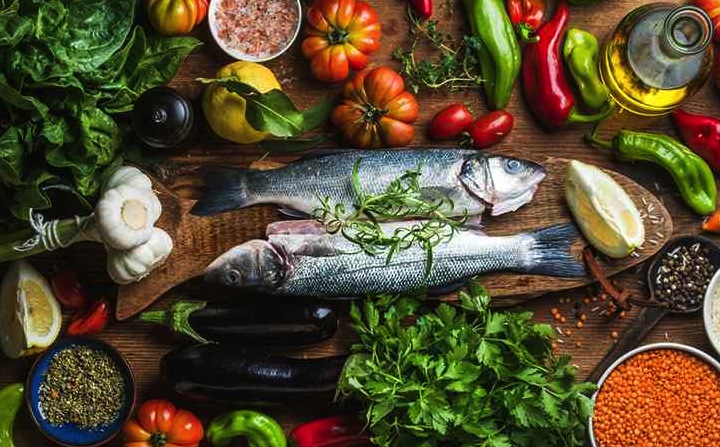
Have you ever heard of the Mediterranean Diet? Well, it’s a diet eaten from those living in the Mediterranean who consume high amounts of healthy fats, legumes (pulses), cereals (wholegrain, fibre), vegetables and fruits, moderate amounts of fish and dairy such as yoghurt and cheese and wine (yes- wine!) and low consumption of meat products. It has also been proven to be one of the best diets in the world and proven to actually work…unlike a lot of diets seen on your TV, computer and phone screens. Additionally, they’re also one of the longest-living groups of people. This high consumption of pulses and their benefits distinguishes their much needed place in not only the Mediterranean diet, but the diets of everyone around the world.
The Problem and Solution of Pulses
There is just one problem with pulses…they’re boring! They’re generally tasteless and take time to cook if you buy them dried which consequentially stirs people away. However, I’m here to change your mind and help you love pulses as much as I do.
There are many benefits that come from eating pulses. Firstly, they are part of the vegetable/fruits category which means you can include them as a part of your weekly serving of vegetables. However, they’re also a good source of protein, so for those on plant-based diets, they’re great to consume. Pulses are also high in other nutrients such as iron which assists in making oxygen carrying blood cells, they’re high in folate which is involved in the production of red blood cells and when you’re pregnant, helps the infant’s neural tube develop into their brain and spinal cord and they’re high in fibre which is important for digestive health and regular bowel movements.
With the benefits listed above and the many more that pulses provide us with, it’s a ‘no-brainer’ that we should all be consuming more in our diets. Now you know why they’re good for you, it’s time to start eating!
Be on the look out for my social media posts over the coming weeks for delicious, definitely not boring recipes including all different kinds of pulses!
For any nutritional or food questions- just send me an email in the contact box below.
Eat well & be happy,
Jaz
References:
Pulses Australia
NHS UK
Healthline
Pulse Canada
MAF
 Jaz Culinary